


The World Affairs Council celebrates 75 years.
Where Seattle Engages the World
In 2026, the World Affairs Council celebrates its 75th anniversary. We invite everyone to reflect with us, celebrate together, and think ahead to the Council's future.
For 75 years, the World Affairs Council of Seattle has remained steadfast in its purpose: to advance global understanding and connect the local community with the world, one conversation at a time. We invite you to celebrate our achievements, our programs, and the people and ideas that shape our decades-long legacy of connecting our community with the world. Throughout the year, we will share milestones from our history and highlight each of our core programs.

No events at the moment
What We Do
Vision
We envision an inclusive and informed community that is inspired to create a just and equitable world.
Mission
To advance global understanding and cultivate enduring relationships within our local community and with the world, one conversation at a time.
How do we do this?
Our core programs ensure that Seattle remains a city that looks outward, engages thoughtfully, and leads with confidence in its global future.
Global Leadership Exchange
Community Programs
Global Classroom
The Global Leadership Exchange Program (GLX) advances global understanding by connecting the Seattle community with established and emerging leaders from around the world.
Through professional and youth exchanges, these people-to-people connections allow emerging leaders to build the foundation for addressing critical global issues. International exchange allows Seattle residents and visitors alike to recognize their shared values.
GLX’s core initiative is the U.S. Department of State’s International Visitor Leadership Program (IVLP). Launched in 1940, IVLP helps strengthen U.S. engagement with countries around the world and cultivates lasting relationships by connecting current and emerging foreign leaders with their American counterparts through short-term visits to the United States.
World Affairs Council Community Programs present frequent opportunities for discussion, dialogue, and debate on global issues. Throughout the programming season, the Council offers a non-partisan and civil forum for community members to become more knowledgeable about international issues and their local relevance, to become inspired to learn more, and to become more connected to others who share an interest in global issues and the roles of the United States and the Puget Sound region in the international community.
Within Community Programs, the World Affairs Council Fellows Program offers a unique professional development opportunity to a small group of greater Seattle business and community leaders. The Fellows convene monthly for private roundtable discussions with international experts who offer unparalleled insight into current global issues.
Global Classroom (GC) extends the World Affairs Council’s message of global understanding to K-12 classrooms. GC empowers teachers with the tools, knowledge, and perspectives to engage students in global studies, cultivate 21st century skills, and act consciously as informed global citizens. Students’ lives will be defined by the world within and beyond our borders, and the Council’s goal is to ensure that the education system reflects this reality. GC brings the world to the classroom to ensure that students are prepared to live, work, and play in a world of diverse cultures, histories, and economies.
Since 1998, the World Affairs Council’s Global Classroom program has dedicated itself to ensuring that youth are included in conversations surrounding critical global issues. The World Citizen Essay Contest (WCEC), offered each spring, supports youth in increasing their global IQ.


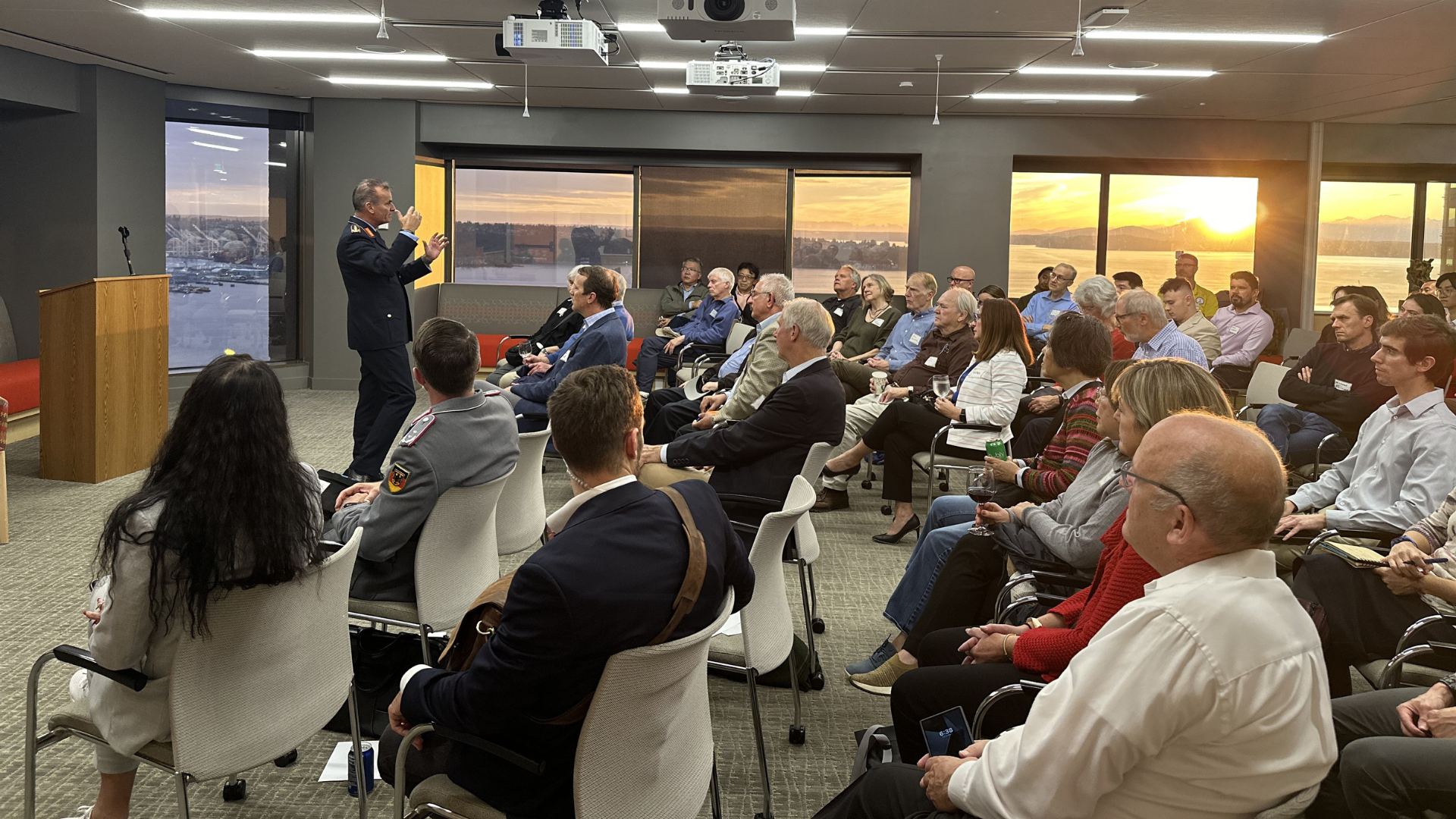
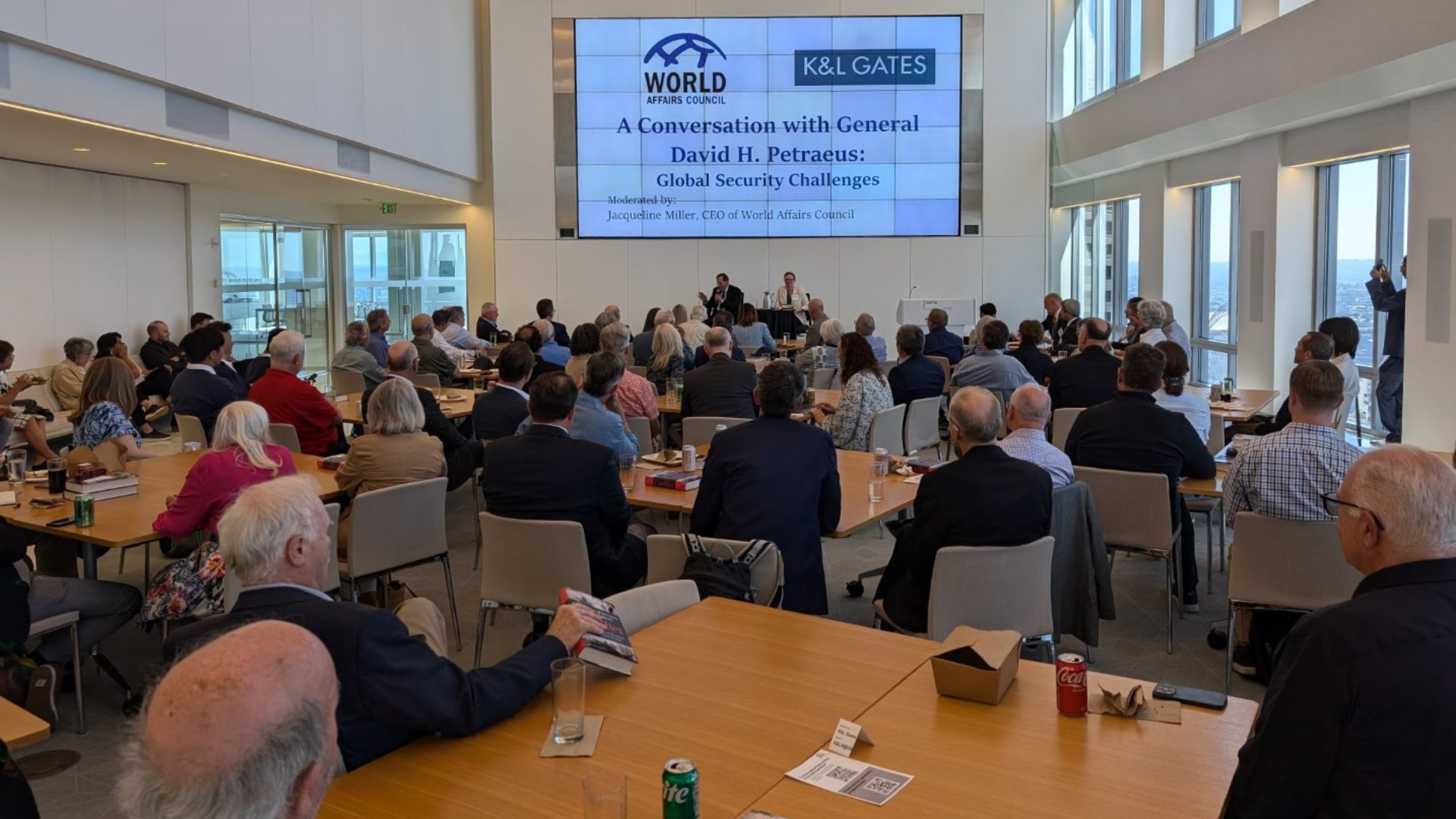
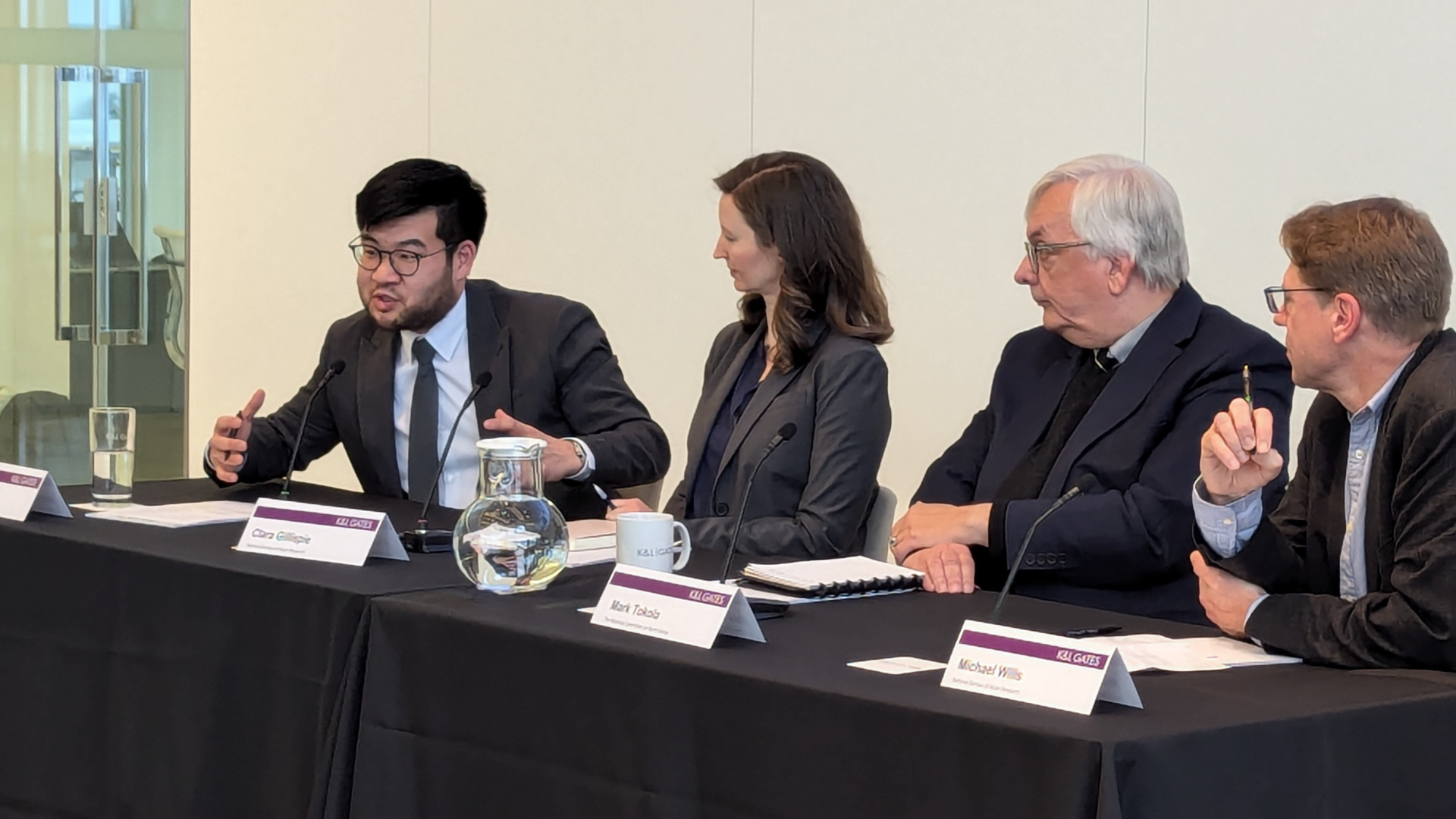
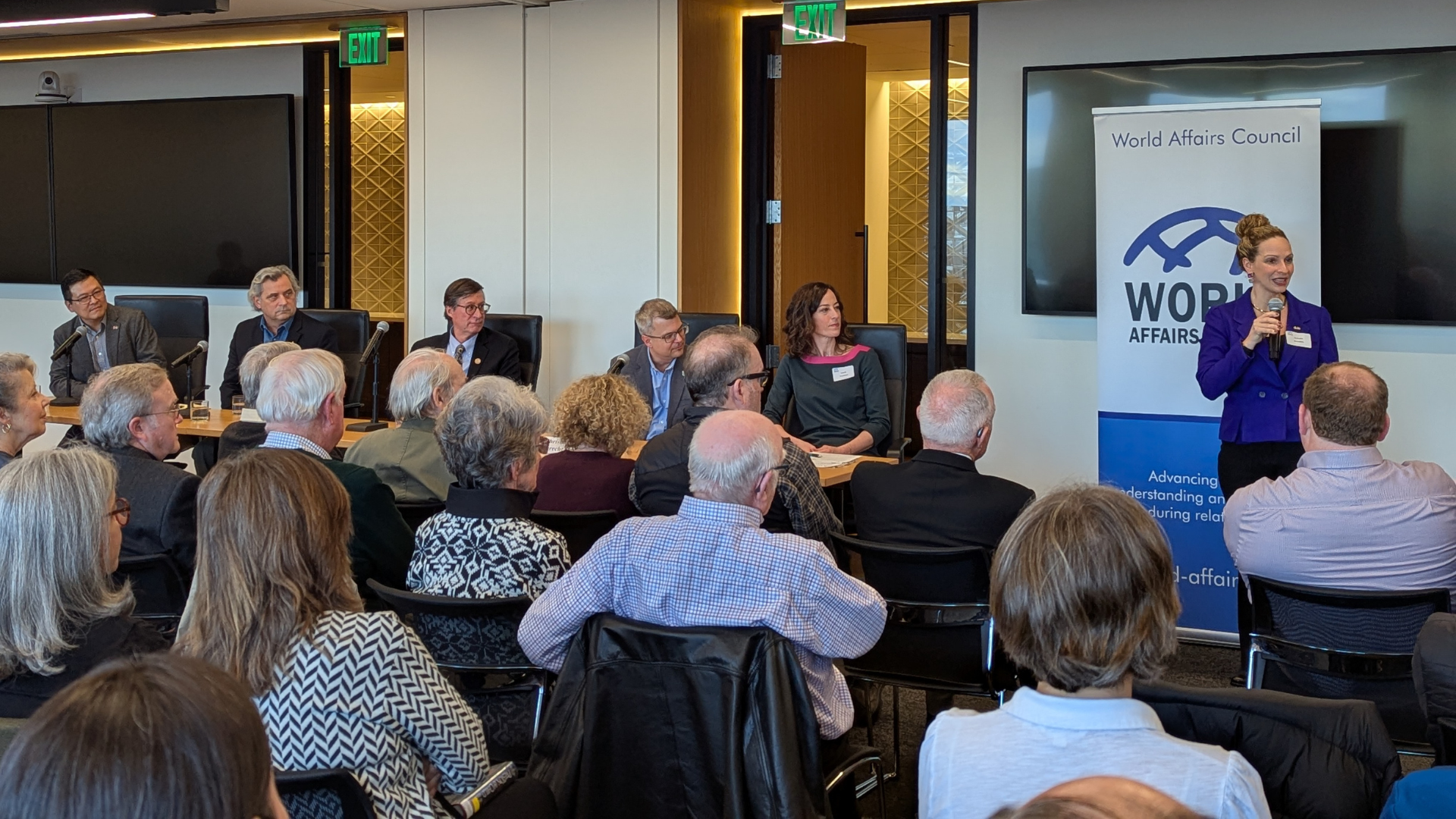
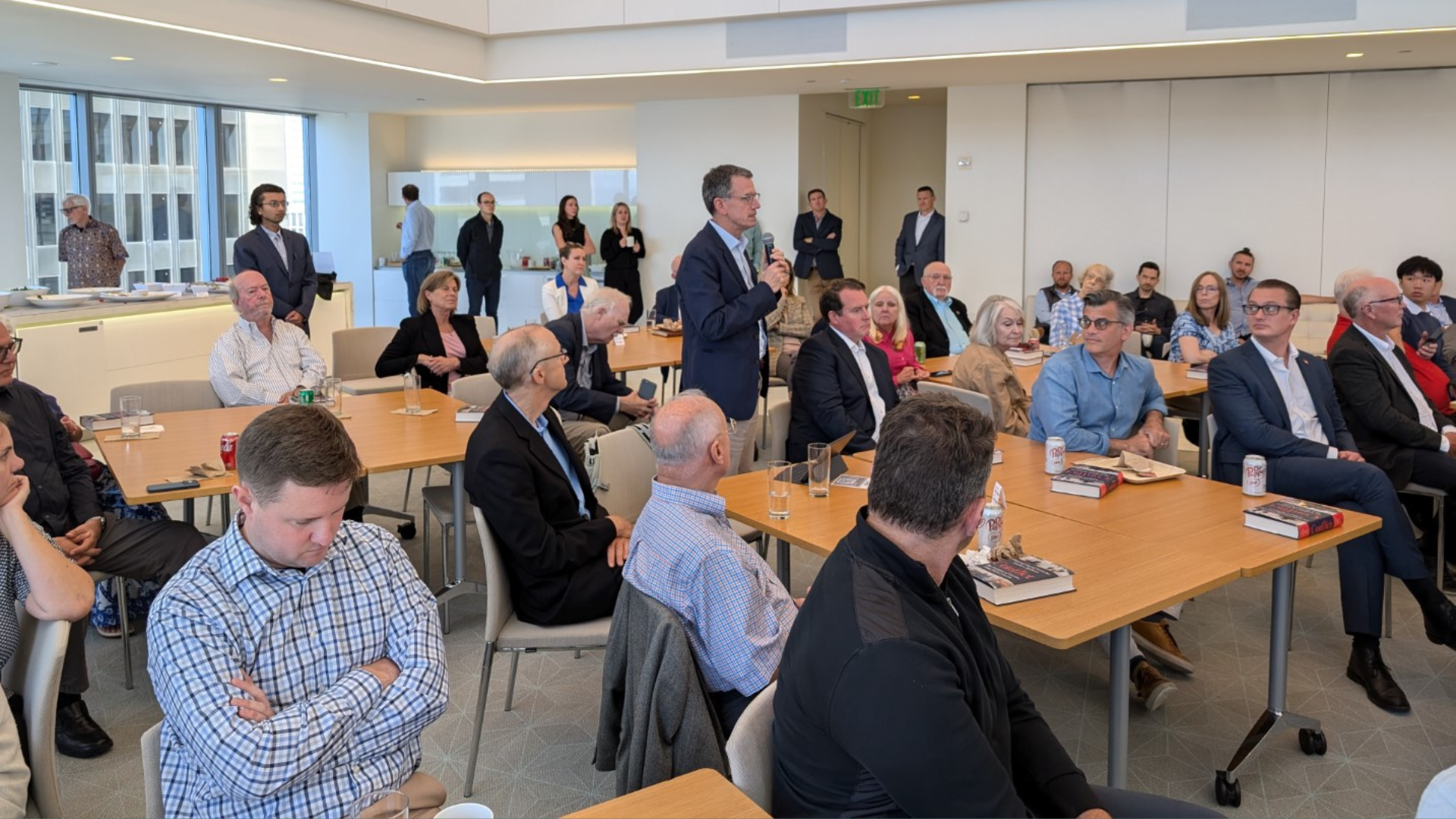
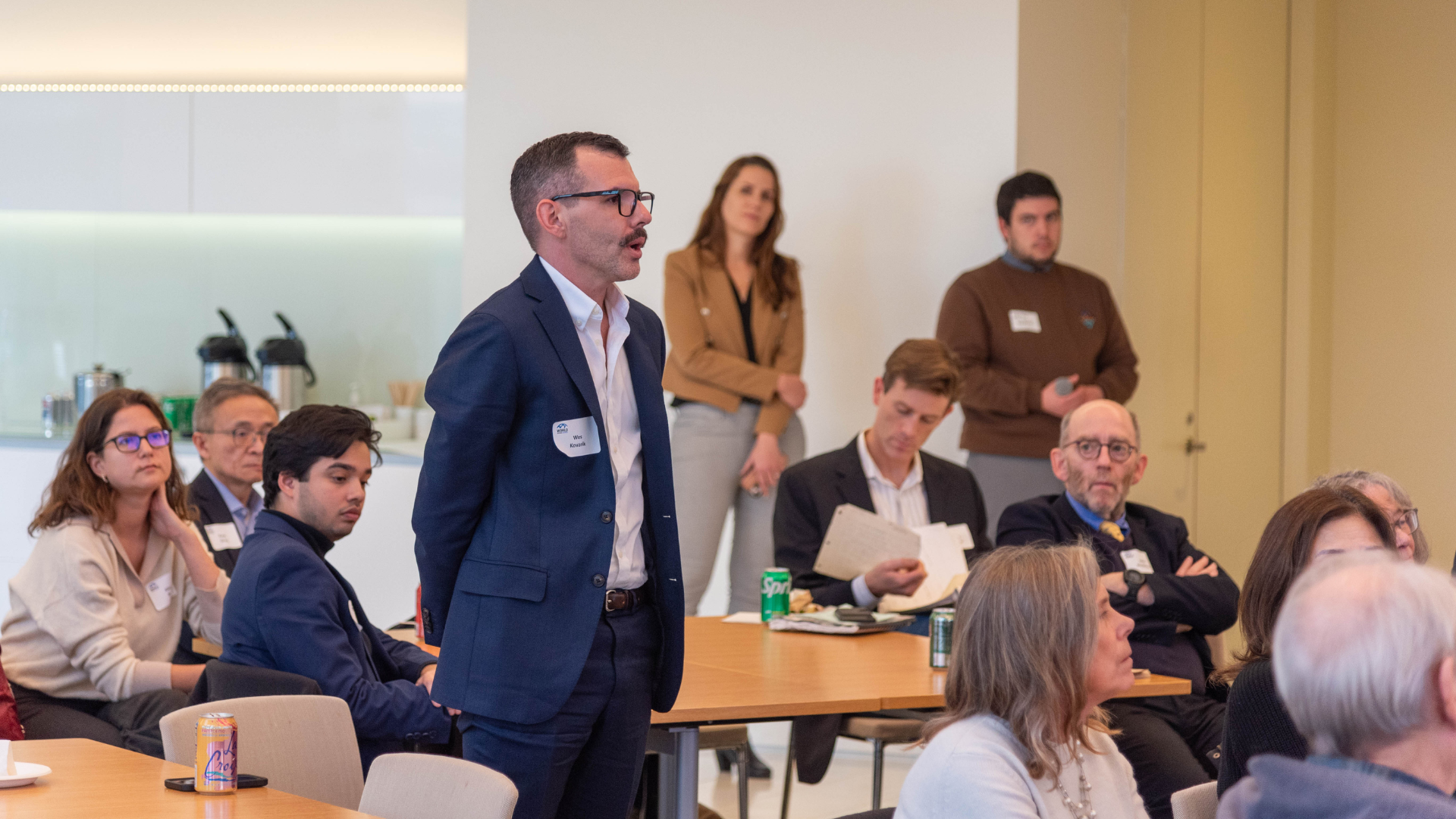
75 Years of the World Affairs Council
1951 - 1959
Founding Vision: Bringing the World to Seattle
Founded in 1951 in the aftermath of World War II, at the peak of McCarthyism, and the early years of the Cold War, the World Affairs Council of Seattle emerged from a conviction that international understanding was essential to peace, security, and prosperity. Civic leaders, business executives, academics, and diplomats came together to create a nonpartisan forum where global issues could be examined thoughtfully and openly.
From the beginning, the Council positioned Seattle as a city with global responsibilities and global opportunities. Early programming focused on post-war reconstruction, emerging international institutions, and U.S. engagement abroad—establishing a core identity that endures to this day.
1960s - 1970s
Cold War Engagement and Civic Leadership
During the Cold War, the Council served as a trusted space for discussion at a time of global tension and ideological division. Programs addressed U.S.–Soviet relations, decolonization, nuclear security, and international development, helping Seattle residents understand how global events influenced local economic, political, and security realities. As Seattle’s economy diversified and its international connections grew—particularly in aerospace and global trade—the Council strengthened partnerships with leading regional institutions and employers, including The Boeing Company.
1980s - 1990s
Making Sense of Globalization
The late twentieth century brought profound transformations in global trade, technology, and geopolitics. The World Affairs Council responded by broadening its scope and audience through programming that addressed globalization, democratic transitions, human rights, and emerging technologies. Seattle’s growing role as a center for global aviation and commerce continued to shape Council conversations on trade, security, and international cooperation.
2000 - 2009
Entering the 21st Century: Security, Education, and Exchange
The attacks of September 11, 2001 reshaped global discourse and America’s role in the world. In response, the Council became a vital forum for examining international security, counterterrorism, diplomacy, and the balance between safety and civil liberties. During this decade, the Council expanded its international exchange work, connecting emerging global leaders with the Seattle community through meetings hosted by regional companies.
2010 - 2019
Growth, Innovation, and Community Impact
Throughout the 2010s, the World Affairs Council operated at growing scale and impact. Community Programs convened senior policymakers, diplomats, academics, journalists, and business leaders to address global health, climate change, cybersecurity, trade, and human rights. Long-standing engagement from regional partners helped anchor the Council’s work in Seattle’s global business community, while Global Classroom expanded global learning across K–12 systems.
2020 - 2022
Resilience and Reinvention During the Pandemic
The COVID-19 pandemic disrupted international travel and in-person convening worldwide. The Council rapidly pivoted to virtual programming while maintaining its mission at a moment of global crisis. Exchange programs continued virtually with participation from private-sector experts from around the world. It was a defining moment, opening up new opportunities for the community to understand this disruptive period.
2022 - 2026
Renewal and Reconnection
Hybrid and in-person programs resumed as global conditions stabilized. Community Programs addressed defining global issues including the war in Ukraine, U.S.–China competition, climate change, artificial intelligence, and democratic governance. In 2024, the Global Leadership Exchange hosted over 600 global leaders through more than 60 programs exploring topics like innovation, sustainability, and global workforce development.